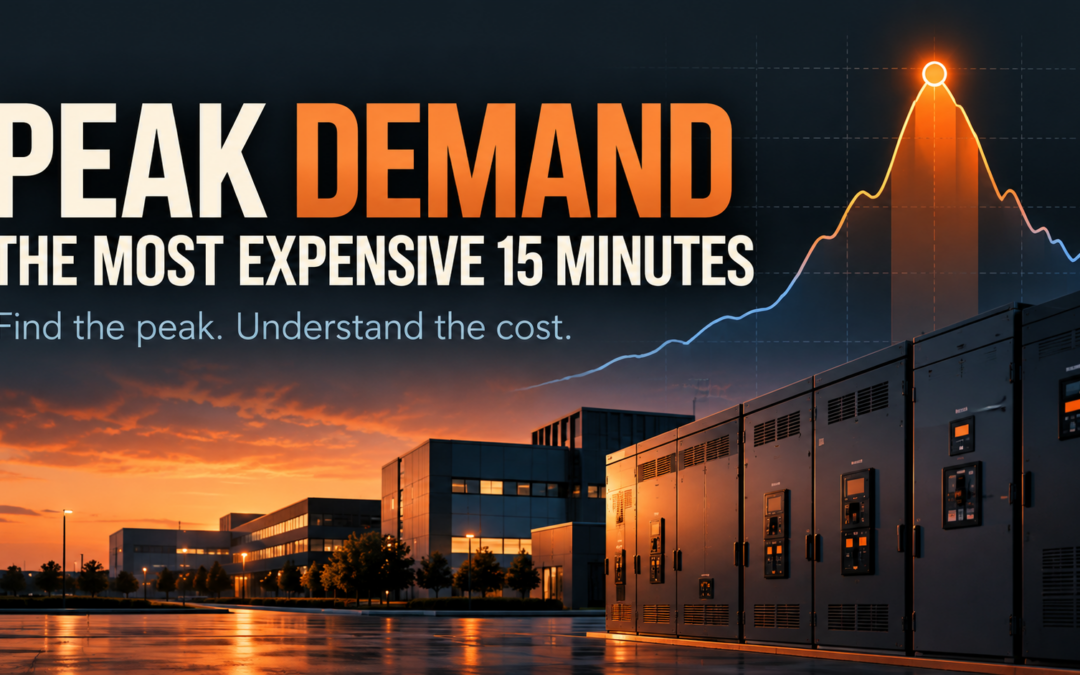
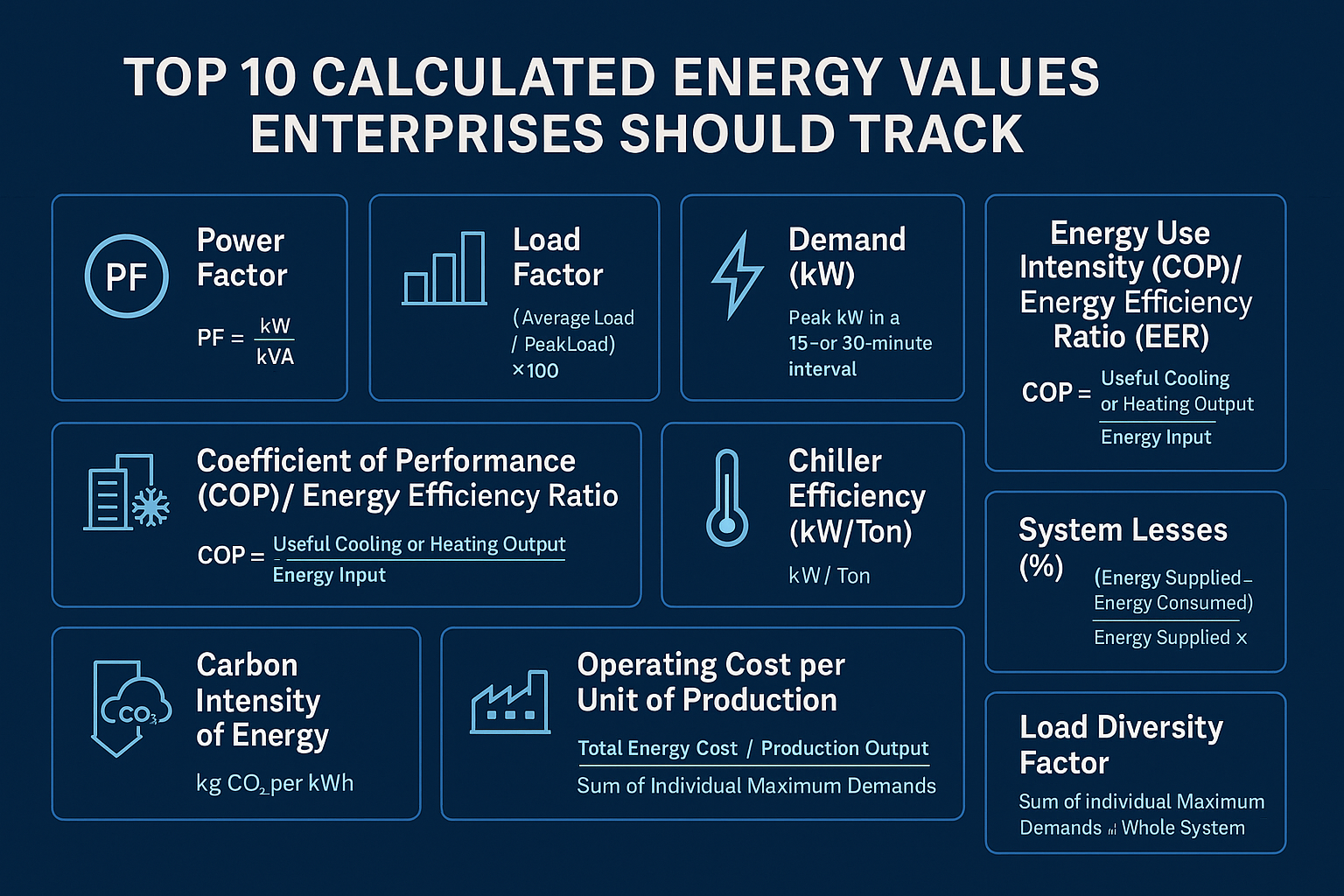
A facility can use the same number of kilowatt-hours in two months and receive different electric bills. The reason may be demand: how much power it draws at once. For many commercial tariffs, the highest measured interval in a billing period sets a demand charge. One...
Introduction: The New Attack Surface Twenty years ago, the most exposed thing in your electrical room was the keys hanging by the door. Today, your switchgear has an IP address. Your protective relays talk to a SCADA system. Your meters stream data to the cloud. The...
Introduction: A System in Transition Across this series, we’ve worked from the ground up — the foundations of modern power distribution, the one-line diagrams that map them, the building blocks that compose them, the analysis that validates them, and the...
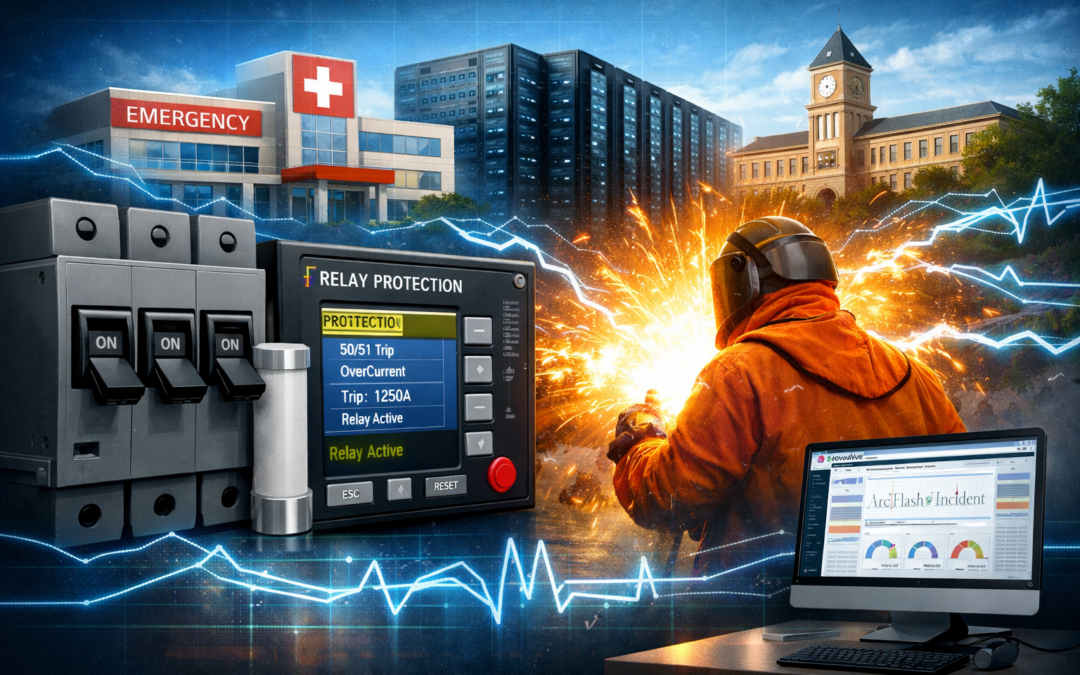
Introduction: The Guardians of the Electrical System Every power distribution system needs more than just transformers and wires — it needs protection. Protective devices and relays are the guardians that keep faults from spreading, prevent equipment damage, and...
Introduction: More Than Just Wires and Breakers When most people think of an electrical system, they picture wires, panels, and switches. But for engineers and facility managers, the real challenge is ensuring that the system behaves safely and reliably under all...
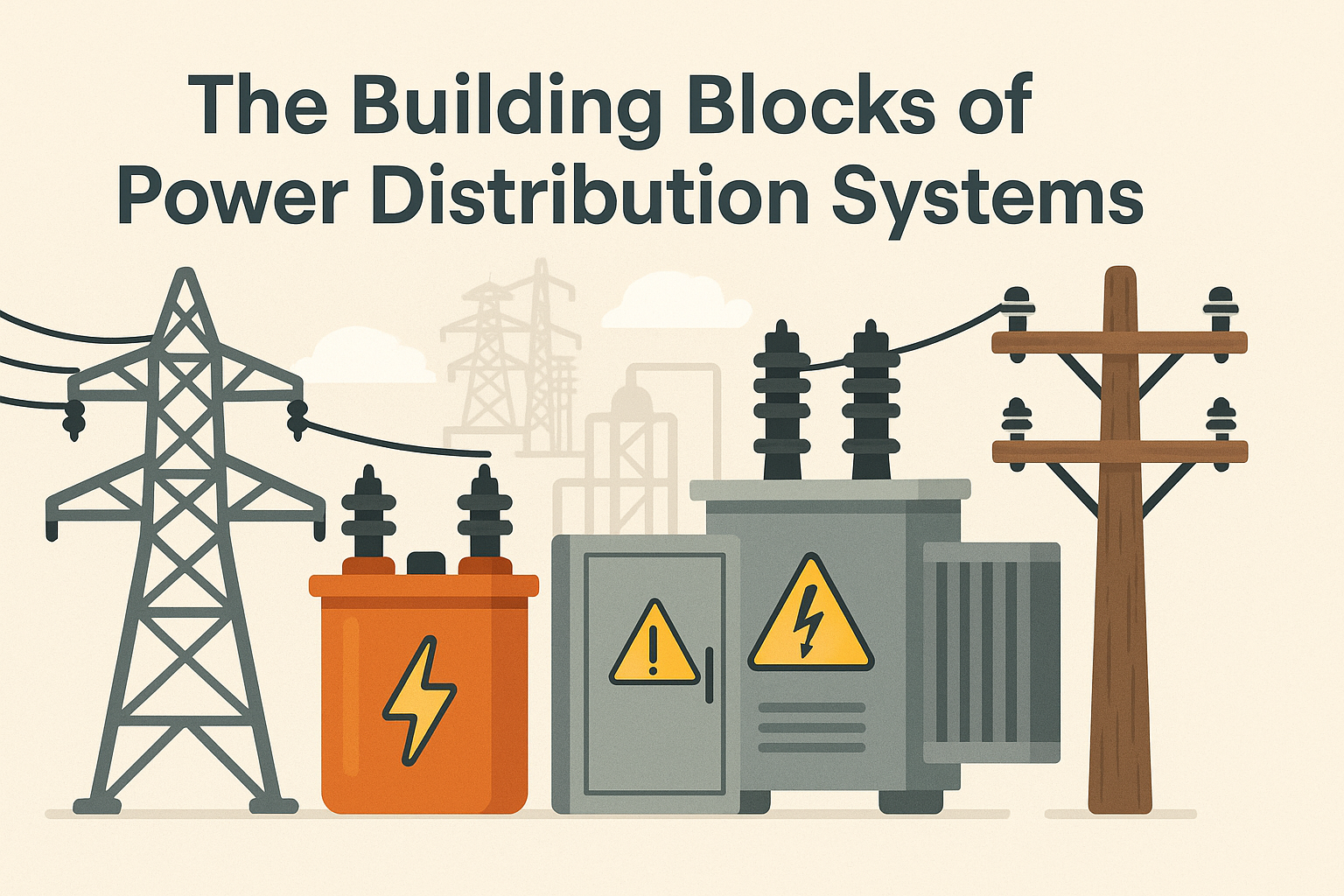
Introduction: From Source to Load Every facility — whether it’s a hospital, university, or data center — relies on a network of interconnected components that distribute power safely and efficiently. While every system is unique, the building blocks are consistent....
Introduction: The Power System’s Roadmap When you walk into a hospital’s electrical room or a data center’s control space, you won’t see engineers flipping through thick wiring schematics to understand how power flows. Instead, you’ll almost always find a one-line...
Introduction: Why Power Distribution Matters More Than Ever Behind every light switch, MRI scanner, and server rack is a carefully designed electrical backbone. A power distribution system is the unseen lifeline that ensures electricity flows safely, reliably, and...
Introduction In hospitals, universities, data centers, and other mission-critical facilities, emergency power systems (EPS) are the ultimate safeguard. When normal utility power fails, your generators and automatic transfer switches (ATSs) must work flawlessly — lives...
In enterprise facilities, whether hospitals, universities, airports, or data centers, the difference between raw data and actionable insight often comes down to the calculated values that energy teams track. Collecting kilowatt-hours (kWh) or monthly utility bills is...